General Remodeling Contractor: Reliable Remodeling Services
Best Remodeling Contractor: Modernize Your Home With Expert Design and Outstanding Craftsmanship
Home renovation can greatly enhance both aesthetics and functionality. A highly-regarded remodeling contractor plays a crucial role in this transformation. Their expertise combines innovative design with skilled workmanship, ensuring that each undertaking meets the property owner's goals. However, not all builders are identical. Understanding the important characteristics and steps required is essential for a favorable result. What should homeowners evaluate when embarking on this endeavor?
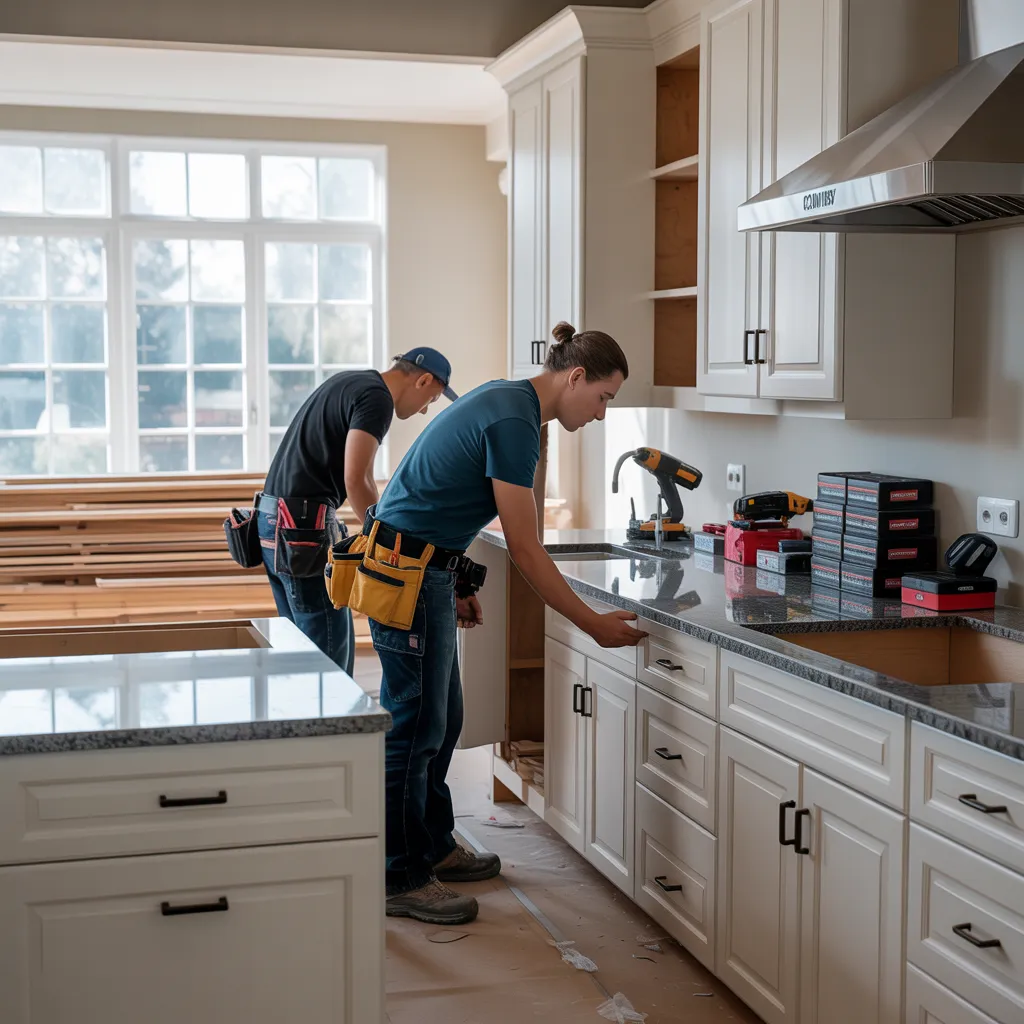
The Criticality of Retaining a Top-Rated Redesign Contractor
When starting a remodeling project, the determination to engage a top-rated contractor can greatly impact the outcome. A proficient expert possesses the expertise and expertise necessary to navigate the difficulties of house remodeling. They can provide valuable counsel into design choices, components, and timelines, confirming that the project agrees with the homeowner's perspective and financial resources.
Top-performing contractors often feature strong testimonials and a substantial showcase of projects, exhibiting their past accomplishments and patron contentment. This reputation can create assurance among homeowners, minimizing anxiety pertaining to large-scale home improvements. Likewise, a established professional is prone to have existing partnerships with suppliers and subcontractors, which can yield reduced costs and premium material options.
Ultimately, hiring a top-rated remodeling contractor not only strengthens the potential for a successful project but also creates a teamwork dynamic where creativity and innovation prosper, resulting in a transformed home that embodies the homeowner's goals.
Important Traits to Consider When Choosing a Renovation Contractor
Locating the ideal renovation specialist goes past merely reviewing testimonials and past work; it requires determining specific qualities that ensure a positive working relationship. First, a established professional should possess excellent interpersonal abilities, ensuring that they can clearly articulate ideas and understand client needs. Subsequently, experience in the specific type of remodeling project required is crucial, as it indicates a established history of excellent craftsmanship. Moreover, a skilled professional should be properly certified and covered, offering peace of mind regarding risk protection and security. Reliability is yet another essential characteristic; a contractor should adhere to timelines and budgets, minimizing unforeseen setbacks. Finally, a solid portfolio showcasing diverse completed projects reflects an ability to accommodate various styles and client desires. By concentrating on these qualities, homeowners can make informed decisions when hiring a renovation specialist, eventually resulting in a positive residential renovation.
Trending Remodeling Endeavors to Evaluate
Homeowners typically confront countless alternatives when considering renovation initiatives, each delivering unique benefits and enhancements. Kitchen renovations represent among the most favored undertakings, which can markedly enhance operational efficiency and visual aesthetics. Improving kitchen countertops, cabinet systems, and kitchen fixtures not only refreshes the space but also strengthens the market value of the home.
Bathroom upgrades are yet another preferred option, creating a haven for rest and grooming. Homeowners regularly opt for modern fixtures, elegant tiling, and better floor plans to boost ease.
In addition, basement completion has picked up momentum as a technique for maximizing usable area, building multifunctional spaces for social gatherings and remote workspaces.
Exterior upgrades, such as deck constructions or outdoor landscaping, also continue in demand, allowing homeowners to increase their outdoor satisfaction. Each of these ventures not only transforms the living environment but can also generate a substantial return on investment.
The Design Journey: Cooperating With Your Project Manager
The design process in renovation involves a vital partnership between the property owner and the builder. During the first meeting, concepts and plans are discussed, establishing the foundation for the undertaking. After that, design iterations occur, allowing for modifications and ultimately leading to approval before construction begins.
Opening Consultation Meeting
How does an first meeting consultation set the stage for a successful remodel? This pivotal first step allows homeowners and contractors to establish a shared comprehension of the project's vision and goals. During this meeting, clients share their ideas, needs, and budget, while contractors assess the space and provide read more insights on practicality. Effective communication is essential, as it fosters trust and collaboration between both sides. Contractors may also share collections of previous work, providing ideas and showcasing their skill. By addressing any issues and discussing schedules, the first meeting lays the groundwork for a productive relationship. In the end, this meeting is crucial for matching goals and guaranteeing that the remodeling project begins on a strong footing.
Design Progression and Confirmation
During the design process, coordination between homeowners and contractors becomes crucial for refining the project vision. This phase underscores open communication, allowing both parties to convey ideas, preferences, and concerns. Contractors introduce initial design concepts based on the homeowner's input, which results in iterative revisions. Each design iteration serves as a milestone toward the final layout, incorporating feedback and making necessary adjustments. Homeowners should feel empowered to express their thoughts, ensuring the design matches their aspirations. Approval of the final design represents a important milestone, solidifying the project blueprint. This joint strategy fosters a sense of ownership and satisfaction, paving the way for successful implementation and ultimately converting the home into a personalized living space.
Learning About the Costs of Home Remodeling
Understanding the financial burden associated with home remodeling is vital for any property owner embarking on a project. Budgeting effectively requires not only factoring in the primary expenses but also recognizing hidden charges that may arise during the remodeling process. Understanding of these financial factors can help assure a easier and more rewarding renovation experience.
Establishing a spending plan for Your initiative
Budgeting for a home remodeling project demands thorough evaluation of various costs involved. Homeowners should begin by establishing the extent of the project, which will significantly influence the total budget. Key expenses generally encompass materials, labor, permits, and design fees. It is essential to investigate and gather quotes from multiple contractors to establish a realistic estimate. Furthermore, homeowners should think about whether they will complete any of the work themselves, which can lower labor costs. Creating a contingency fund is also prudent, as it enables for unexpected expenses that may arise during the renovation process. By carefully assessing these factors, homeowners can create a all-encompassing budget that corresponds with their financial capabilities and project goals.
Concealed Costs to Keep in Mind
While property owners often focus on the significant costs of a renovation undertaking, they may overlook several hidden costs that can significantly impact the total expenditure. These costs can include permits and inspections, which vary by area and renovation scope. Unexpected building problems, such as mold or outdated wiring, may also arise during renovations, requiring extra money. Property owners should also consider the expenses for interim accommodations if the project demands extensive work. In addition, alterations to plans throughout the project can lead to higher costs, as can the choice of premium finishes. Finally, post-remodeling costs, such as fresh furniture or yard work, can further burden the budget. Understanding of these hidden expenses is essential for effective financial planning.
Tips for a Successful Home Remodeling Experience
A successful home renovation project requires careful planning and effective communication. Homeowners are required to start by establishing a achievable budget and timeline, factoring in potential delays and unexpected costs. Working with a reputable remodeling contractor is crucial; they bring knowledge and can offer insights that cut time and money.
Householders should also create a thorough design plan, featuring materials and finishes, to ensure a cohesive vision. Regular consultations with the contractor support alignment on progress and handle any concerns in a timely manner. Communication should stay open and proactive, promoting a cooperative working environment.
Furthermore, it's prudent to prepare for disruptions by establishing a interim living space, particularly for bigger projects. Ultimately, persistence is key; renovations can be demanding, but a positive mindset will contribute to a seamless process and contentment with the final outcome. By adhering to these tips, homeowners can improve their renovation experience and accomplish their desired results.
Frequently Requested FAQs
How Much Time Does a Typical Remodeling Project Take to Complete?
A standard renovation undertaking can require between a few weeks and several months to finish. Elements impacting the timeframe include scope of work, complexity, and the productivity of the construction professionals and subcontractors.
What Types of Guarantees Do Remodeling Contractors Provide?
Remodeling contractors typically provide warranties on skilled work, materials, and appliances. These warranties can vary from one year to a lifetime, based on the contractor and specific project details, ensuring confidence to homeowners regarding quality and durability.
What's the Best Way to Validate a Contractor's Qualifications and Insurance?
To validate a contractor's credentials and coverage, one can consult state regulatory agencies and digital records. Additionally, asking for copies of insurance certificates directly from the contractor confirms coverage is up-to-date and satisfies required standards.
What could I Do if I'm Unhappy With the Work?
Should dissatisfaction occur, the homeowner must initially voice concerns directly to the contractor. Log issues, assess the agreement, and pursue amicable resolution. If still unresolved, consider arbitration or approaching local regulatory bodies for additional support.
Do Funding Solutions Exist for Home Remodeling Projects?
Many remodeling contractors offer various credit solutions, including personal credit arrangements, home equity lines of credit, and monthly payment options. Residents should explore these options to identify a approach that works with their spending limits and construction requirements productively.